The Impact of Wheel Design on Vehicle Performance
When it comes to vehicle performance, many enthusiasts focus on engine power, suspension, and aerodynamics. However, one often overlooked component that plays a crucial role in a car’s overall performance is the wheel rim design. The right set of rims can significantly enhance your vehicle’s handling, fuel efficiency, and even its aesthetic appeal.
Weight Matters
One of the most critical factors in wheel rim design is weight. Lighter rims can dramatically improve your vehicle’s performance in several ways:
- Reduced Unsprung Weight: Unsprung weight refers to the mass of components not supported by the vehicle’s suspension. Lighter rims reduce unsprung weight, allowing the suspension to react more quickly to road imperfections, improving handling and ride quality.
- Improved Acceleration and Braking: Less rotational mass means your engine doesn’t have to work as hard to get the wheels spinning, resulting in quicker acceleration. Similarly, lighter wheels require less energy to stop, improving braking performance.
- Enhanced Fuel Efficiency: Reduced weight means less energy is required to move the vehicle, potentially leading to better fuel economy.
Size and Width
The size and width of wheel rims also play a significant role in vehicle performance:
- Larger Diameter: Bigger rims can accommodate larger brake rotors, potentially improving stopping power. However, they also increase weight and can negatively impact ride comfort if not properly balanced with tire sidewall height.
- Wider Rims: Wider rims allow for wider tires, increasing the contact patch with the road. This can improve grip and handling, especially during cornering. However, wider rims can also increase rolling resistance, potentially affecting fuel efficiency.
Material Composition
The material used in wheel rim construction affects both performance and durability:
- Alloy Wheels: Typically made from aluminum or magnesium alloys, these are lighter than steel wheels and offer better heat dissipation, which is crucial for brake performance.
- Carbon Fiber: The latest advancement in wheel technology, carbon fiber rims are incredibly light and strong. They offer superior performance benefits but come at a premium price.
- Steel: While heavier, steel wheels are more durable and cost-effective, making them suitable for certain applications like off-road use.
Spoke Design
The number and arrangement of spokes in a wheel rim can influence both performance and aesthetics:
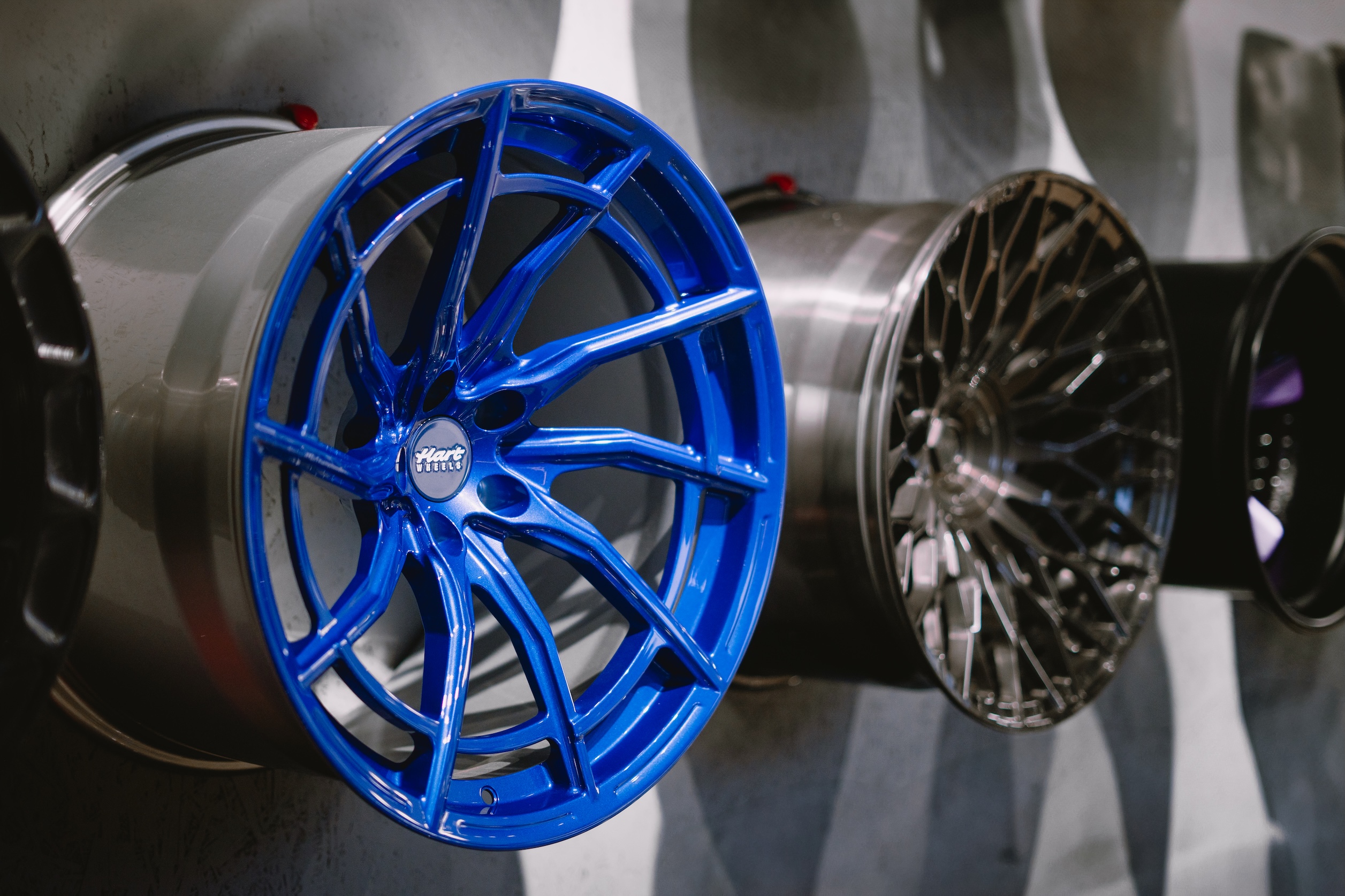
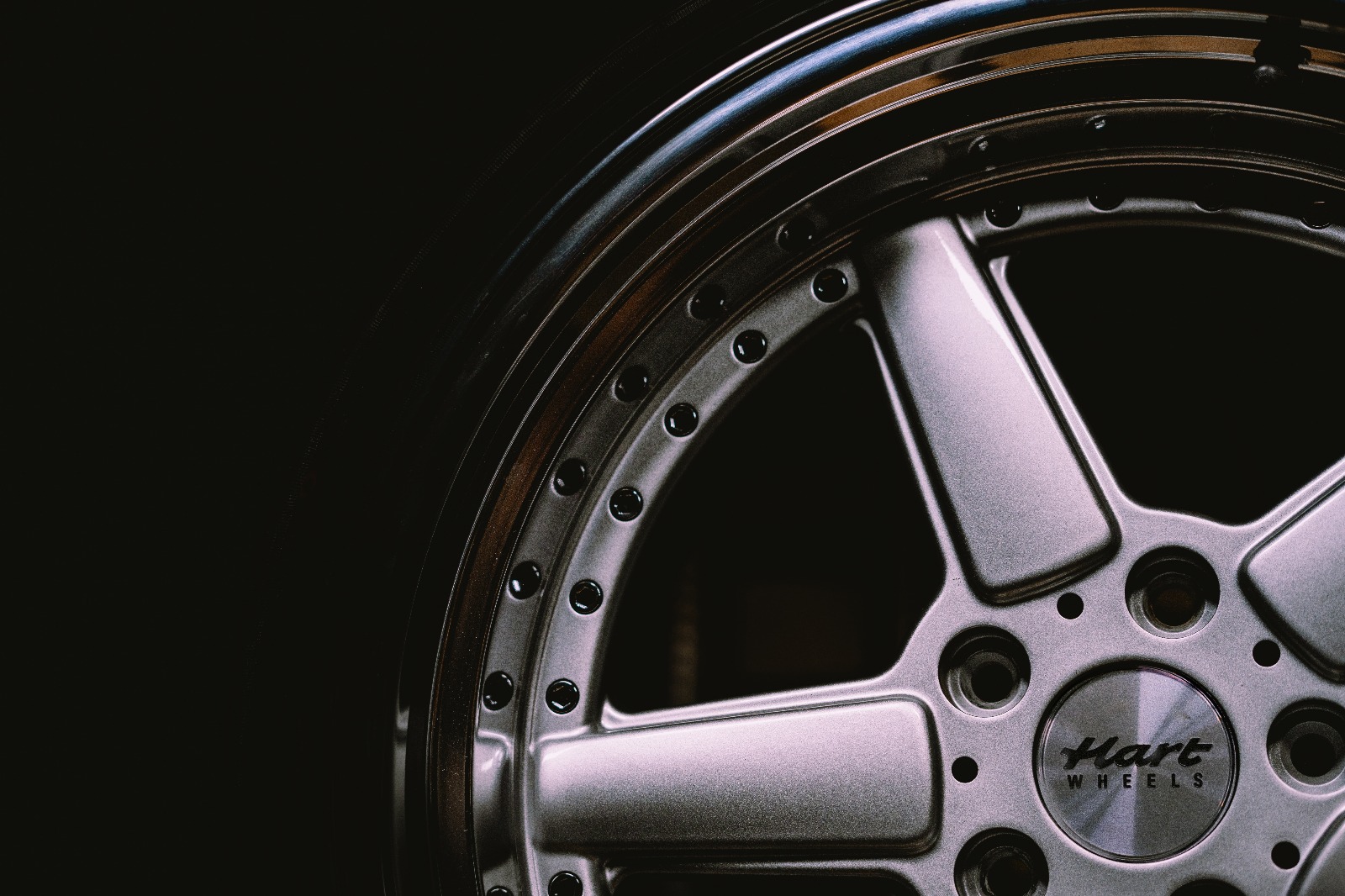
- More Spokes: Generally, a higher number of spokes can provide better strength and load distribution, which is beneficial for heavier vehicles or high-performance applications.
- Fewer Spokes: Designs with fewer spokes often prioritize weight reduction and can improve brake cooling by allowing more airflow.
Aerodynamics
In high-performance and racing applications, the aerodynamic properties of wheel rims become crucial:
- Flat or Slightly Convex Designs: These can help reduce air turbulence around the wheels, potentially improving the vehicle’s overall aerodynamic efficiency.
- Aero Covers: Some rim designs incorporate removable covers that smooth airflow over the wheel, reducing drag at high speeds.
Conclusion
The impact of wheel rim design on vehicle performance is multi-faceted and significant. From weight reduction to improved handling, the right set of rims can transform your driving experience. When selecting wheel rims, it’s essential to consider your specific vehicle, driving style, and performance goals. By understanding the interplay between rim design and vehicle dynamics, you can make an informed decision that enhances both the form and function of your ride.